Sunday, November 16, 2014

Sunday, November 9, 2014
Dance Diets
Just like any other sport, dancers should have a diet that they follow by. Dancers have to be able to move their body weight easily and excess weight can cause joint problems and potential sprains and broken bones.

Carbohydrates should account for about 50-65% of a dancers diet. A couple examples of carbs is cereal, pasta, and breads.
Protein should be about 10-15% of a dancers diet.Food such as lean meats, beans, and tofu are ideal.
Surprisingly dancers need fat in their diet which seems contradictory. In reality dancers need about 20-30% of their diet to be fatty foods. This doesn't mean potato chips, this means avacodos, nuts, and seafood.
Fruits and vegetables are essential too. There are many vitamins and minerals in them. Five servings of fruits and vegetables is ideal for a dancer to consume daily.
The MOST IMPORTANT thing a dancer can do is to stay hydrated. During dancing and working out dancers can lose a lot of body fluid. Body fluid regulates body temperature, maintain electrolytes, and maintain circulation.
The most important part is that a dancer eats. There is a lot of pressure in the dance world to stay super skinny and lean. This can lead to serious eating disorders such as anorexia nervosa, bulimia, and binge eating.
Anorexia nervosa is when a person is barely eating or stops eating completely. This is where a person is underweight and has a huge issue with eating. This is usually because someone with anorexia tries to control things and eating is easy to control. Anorexia nervosa is more common in dancers than the normal population.
Bulimia is where a person eats and then throws up the food that he/she ingested. This is so a person can feel full or when a person wants to taste food, but still wants to lose weight.
Binge eating is when a person will starve themselves for a few days and then consume a high amount of food/calories. Binge eating is harder to detect because the binge eater will be about normal weight.
Carbohydrates should account for about 50-65% of a dancers diet. A couple examples of carbs is cereal, pasta, and breads.
Protein should be about 10-15% of a dancers diet.Food such as lean meats, beans, and tofu are ideal.
Surprisingly dancers need fat in their diet which seems contradictory. In reality dancers need about 20-30% of their diet to be fatty foods. This doesn't mean potato chips, this means avacodos, nuts, and seafood.
Fruits and vegetables are essential too. There are many vitamins and minerals in them. Five servings of fruits and vegetables is ideal for a dancer to consume daily.
The MOST IMPORTANT thing a dancer can do is to stay hydrated. During dancing and working out dancers can lose a lot of body fluid. Body fluid regulates body temperature, maintain electrolytes, and maintain circulation.
The most important part is that a dancer eats. There is a lot of pressure in the dance world to stay super skinny and lean. This can lead to serious eating disorders such as anorexia nervosa, bulimia, and binge eating.
Anorexia nervosa is when a person is barely eating or stops eating completely. This is where a person is underweight and has a huge issue with eating. This is usually because someone with anorexia tries to control things and eating is easy to control. Anorexia nervosa is more common in dancers than the normal population.
Bulimia is where a person eats and then throws up the food that he/she ingested. This is so a person can feel full or when a person wants to taste food, but still wants to lose weight.
Binge eating is when a person will starve themselves for a few days and then consume a high amount of food/calories. Binge eating is harder to detect because the binge eater will be about normal weight.
Belly Dancing
We all know belly dancing as moving the hips and torso to dance. There are many famous belly dancers. An example of a famous belly dancer is Shakira. There is so much more behind belly dancing than what Americans see.
Belly dancing was named after the Ouled Nail dancers of Algeria. Believe it or not, every single part of the body is used to belly dance not just the hips. There are two reasons that people in the Middle East belly dance for. One reason is for performing and the other is for social/folk dance and the other reason is for performance (art). Belly dancing has roots in the Middle East, Egypt, Africa, and Turkey.
Belly dancing in America truly started in 1893 by Sol Bloom at the World's Fair in Chicago. Some slang for this dance when people in America first saw it was shimmy and shake, Hootchy-Kootchy, and Hoochee-Coochie. People were not happy about how belly dancing was very promiscuous for that time period. Belly dancing was in burlesque theaters and at the circus.
In the late 1980's the new belly dancing style emerged. It was called American Tribal Style Belly Dance. It takes traditional belly dancing styles and mixes it with modern style.
There are three different types of movements in belly dancing:

Belly dancing was named after the Ouled Nail dancers of Algeria. Believe it or not, every single part of the body is used to belly dance not just the hips. There are two reasons that people in the Middle East belly dance for. One reason is for performing and the other is for social/folk dance and the other reason is for performance (art). Belly dancing has roots in the Middle East, Egypt, Africa, and Turkey.
Belly dancing in America truly started in 1893 by Sol Bloom at the World's Fair in Chicago. Some slang for this dance when people in America first saw it was shimmy and shake, Hootchy-Kootchy, and Hoochee-Coochie. People were not happy about how belly dancing was very promiscuous for that time period. Belly dancing was in burlesque theaters and at the circus.
In the late 1980's the new belly dancing style emerged. It was called American Tribal Style Belly Dance. It takes traditional belly dancing styles and mixes it with modern style.
There are three different types of movements in belly dancing:
- Percussive movements: Mostly hips and this types of beat accents the beat. Also can be lifts in the shoulder and rib cage.
- Fluid movements: Continuous motion of the body that has a rhythmic pattern. Correlates well with the music.
- Shimmies, shivers, and vibrations: small and fast movements in the rib and hips.
Sunday, November 2, 2014
Dancing for Exercise
Fitness is essential to have a healthy lifestyle. Many people do not like the traditional way of doing fitness by running and lifting weights. There are newer types of fitness that revolves around dance. Two of the ways are jazzercise and zumba.
Jazzercise
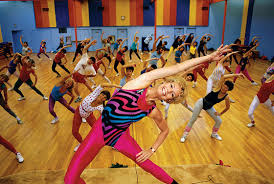
Believe it or not jazzercise has been around since 1969. There are different classes for different levels depending on how long you have been doing jazzercisse and how physically fit you are. There are classes that go 30 minutes, 45 minutes, 60 minutes, and 65 minutes. Jazzercise incorporates jazz dance, yoga, kickboxing, resistance training, and pilates.
There are many different types of classes. The core class focuses on abdominal and cardio. Lite is a relaxing type of jazzercise. Express is a 30 minute class, bu there is a lot of cardio packed into it. Lo is for people ho need low to no impact exercise. Strike is more of a kickboxing style. Last but not least there is Fusion which is strength training and more jazz type of dance.
Zumba
Zumba has been around since the 1990's. There are many different dance styles that are involved in Zumba. Some of these dance styles are hip-hop, salsa, samba, soca, mambo, tango, and merengue. Classes are usually about an hour long. This is a great alternative to exercise and can be a lot of fun.
There are different programs to target certain areas of the body. Zumba tone works with toning sticks. Aqua Zumba is in the water which is ideal for elderly people looking to get exercise. Zumba in the circuit is Zumba dancing with circuit training. Zumba toning works on the muscles of the body and cardio for maximum results. One of the great things about Zumba is that there is a class directed towards kids (Zumba Kids) whih is a 30 minute fun workout for kids.
Jazzercise
Believe it or not jazzercise has been around since 1969. There are different classes for different levels depending on how long you have been doing jazzercisse and how physically fit you are. There are classes that go 30 minutes, 45 minutes, 60 minutes, and 65 minutes. Jazzercise incorporates jazz dance, yoga, kickboxing, resistance training, and pilates.
There are many different types of classes. The core class focuses on abdominal and cardio. Lite is a relaxing type of jazzercise. Express is a 30 minute class, bu there is a lot of cardio packed into it. Lo is for people ho need low to no impact exercise. Strike is more of a kickboxing style. Last but not least there is Fusion which is strength training and more jazz type of dance.
Zumba
Zumba has been around since the 1990's. There are many different dance styles that are involved in Zumba. Some of these dance styles are hip-hop, salsa, samba, soca, mambo, tango, and merengue. Classes are usually about an hour long. This is a great alternative to exercise and can be a lot of fun.
There are different programs to target certain areas of the body. Zumba tone works with toning sticks. Aqua Zumba is in the water which is ideal for elderly people looking to get exercise. Zumba in the circuit is Zumba dancing with circuit training. Zumba toning works on the muscles of the body and cardio for maximum results. One of the great things about Zumba is that there is a class directed towards kids (Zumba Kids) whih is a 30 minute fun workout for kids.
Sunday, October 26, 2014
Dance Shoes
Depending on the type of dance a dancer does will determine the kind of shoe the dancer will wear. It is important to be wearing the proper footing while dancing to be able to effectively dance to fullest of their credibility.
Turf Shoes
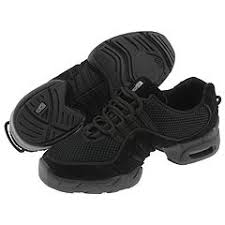
These shoes are used in high school a lot. These shoes are perfect while the dance team is on the sidelines doing dances before their halftime performance. These shoes are also good for dancing in the grass. The thick soles keep the shoes from being tore apart on the track turf. Another type of turf shoes a lot of dancers are using today is just regular high top shoes. These are used more for hip hop styles. High tops are great because the sole is thick and it doesn't tear up the shoes.
Jazz Shoes
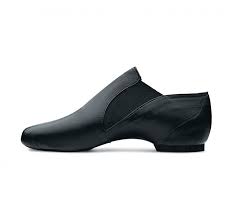
These shoes are perfect for stages and basketball courts. Jazz shoes are lightweight and allows the dancer to move easily. These shoes are small and give enough support to be able to do turns, leaps, and all dance techniques without getting in the way. These shoes can be used in other types of dance such as contemporary.
Ballet Shoes

Ballet shoes are only for ballet dancers. These shoes are very unique in comaprison to every other type of dance shoe. These shoes have a couple other names such as "pointe shoes" and "ballet slippers." These shoes are very hard on the feet. The reason they are so popular is because these shoes make it easier for ballet dancers to be able walk on their tip toes (called pointe in dance world). These shoes are extremely uncomfortable and very stiff but because they are stiff that is how they stay on pointe.
No Shoes
A couple weeks ago I did a blog about contemporary dance. In contemporary dance, many dancers opt out of wearing dance shoes. This is because people love to feel the music in contemporary music and there are many level changes. Shoes can get in the way and sometimes mess a dancer up.
It is important to know what type of shoe to wear for what type of floor and dance.
Turf Shoes
These shoes are used in high school a lot. These shoes are perfect while the dance team is on the sidelines doing dances before their halftime performance. These shoes are also good for dancing in the grass. The thick soles keep the shoes from being tore apart on the track turf. Another type of turf shoes a lot of dancers are using today is just regular high top shoes. These are used more for hip hop styles. High tops are great because the sole is thick and it doesn't tear up the shoes.
Jazz Shoes
These shoes are perfect for stages and basketball courts. Jazz shoes are lightweight and allows the dancer to move easily. These shoes are small and give enough support to be able to do turns, leaps, and all dance techniques without getting in the way. These shoes can be used in other types of dance such as contemporary.
Ballet Shoes
Ballet shoes are only for ballet dancers. These shoes are very unique in comaprison to every other type of dance shoe. These shoes have a couple other names such as "pointe shoes" and "ballet slippers." These shoes are very hard on the feet. The reason they are so popular is because these shoes make it easier for ballet dancers to be able walk on their tip toes (called pointe in dance world). These shoes are extremely uncomfortable and very stiff but because they are stiff that is how they stay on pointe.
No Shoes
A couple weeks ago I did a blog about contemporary dance. In contemporary dance, many dancers opt out of wearing dance shoes. This is because people love to feel the music in contemporary music and there are many level changes. Shoes can get in the way and sometimes mess a dancer up.
It is important to know what type of shoe to wear for what type of floor and dance.
Sunday, October 19, 2014
Dancers Foot Injury
Foot injures are very common in dance especially ballet. Some can be healed fairly quickly, while other injuries will take quite a bit of time to heal. Some injuries will end a dancers career for good.
Foot Injury
Some common foot injuries are Dancer's Fracture, Sesamoiditis, Hallux Valgus and Bunion, Hallux Rigidus, Plantar Fascitis, and Metarsalgia.
Dancer's Fracture
This usually happens when a dancer jumps up in the air and lands with their foot turned in. To treat this a dancer needs to put ice on the ankle, elevate, and limit weight on the ankle. After the fracture heals it is important to do rehabilitation.
Sesamoiditis
Sesamoiditis is pain with bending and straightening the big toe. There are a few ways to treat this. First off all take time off of dance. One needs to see a trainer or a physician to see how serious the disease is. The use of a J pad may be used to relieve pressure. This may take several months to heal. Surgery may be needed to remove the sesamoid bones if condition does not improve.
Hallus Valgus and Bunion
This is where the big toe points inward causing pain and discomfort. This causes pain not just on the toe, but can cause pain on the ball of a dancers foot. Treatment for this is if caught early stretching, strengthening exercises, and/or orthotic prescription. Toe spacers may be used. Worst case scenario, surgery may be needed.
Hallux Rigidus
Hallux Rigidus is where there is restriction in in the joints in a dancers big toe. This can also bring pain. A big toe should be able to move at a 90 degree angle. Some treatments include ice massage and stretching the big toe and the sole of the foot.
Plantar Fascitis
This is pain in the sole of the foot. The tissue connected to the heal bone becomes inflamed and painful. IT becomes more painful after dancing or any heavy exercising. Treatments for this are ice, rest, anti-inflammatory medicine
Metatarsalgia
This is where there is pain over the ball of the foot. Ice, rest, strengthening muscles using toe flexion, and metatarsal pads can help heal and relieve pain
For a dancer the sooner that one can diagnose a foot problem, the easier it can be to take care of. Dancers must be on their toes (no pun intended) about pain and discomfort. If pain and discomfort is ignored, it could take a long recovery.
Foot Injury
Some common foot injuries are Dancer's Fracture, Sesamoiditis, Hallux Valgus and Bunion, Hallux Rigidus, Plantar Fascitis, and Metarsalgia.
Dancer's Fracture
This usually happens when a dancer jumps up in the air and lands with their foot turned in. To treat this a dancer needs to put ice on the ankle, elevate, and limit weight on the ankle. After the fracture heals it is important to do rehabilitation.
Sesamoiditis
Sesamoiditis is pain with bending and straightening the big toe. There are a few ways to treat this. First off all take time off of dance. One needs to see a trainer or a physician to see how serious the disease is. The use of a J pad may be used to relieve pressure. This may take several months to heal. Surgery may be needed to remove the sesamoid bones if condition does not improve.
Hallus Valgus and Bunion
This is where the big toe points inward causing pain and discomfort. This causes pain not just on the toe, but can cause pain on the ball of a dancers foot. Treatment for this is if caught early stretching, strengthening exercises, and/or orthotic prescription. Toe spacers may be used. Worst case scenario, surgery may be needed.
Hallux Rigidus
Hallux Rigidus is where there is restriction in in the joints in a dancers big toe. This can also bring pain. A big toe should be able to move at a 90 degree angle. Some treatments include ice massage and stretching the big toe and the sole of the foot.
Plantar Fascitis
This is pain in the sole of the foot. The tissue connected to the heal bone becomes inflamed and painful. IT becomes more painful after dancing or any heavy exercising. Treatments for this are ice, rest, anti-inflammatory medicine
Metatarsalgia
This is where there is pain over the ball of the foot. Ice, rest, strengthening muscles using toe flexion, and metatarsal pads can help heal and relieve pain
For a dancer the sooner that one can diagnose a foot problem, the easier it can be to take care of. Dancers must be on their toes (no pun intended) about pain and discomfort. If pain and discomfort is ignored, it could take a long recovery.
Dance Shows
In the 21st century, there have been different shows to showcase ordinary people who can dance. Last week I put a youtube video of a girl named Lauren Froderman. These dance shows can lead to fame, being on broadway, being back-up dancers for celebrities, and really opening doors for the contestants in the dancing world.
Some popular shows that involve dancing are:
Being noticed as a dancer can be extremely hard. One has to have the perfect body, endless amount of training, and a little bit of luck to be noticed. These shows help the contestants/stars of these shows get noticed. Hopefully one day these aspiring dancers will be able to make it big.
Some popular shows that involve dancing are:
- So You Think You Can Dance
- X Factor
- Dancing with the Stars
- Dance Moms
- Dance Academy
- America's Best Dance Crew
Being noticed as a dancer can be extremely hard. One has to have the perfect body, endless amount of training, and a little bit of luck to be noticed. These shows help the contestants/stars of these shows get noticed. Hopefully one day these aspiring dancers will be able to make it big.
Subscribe to:
Posts (Atom)